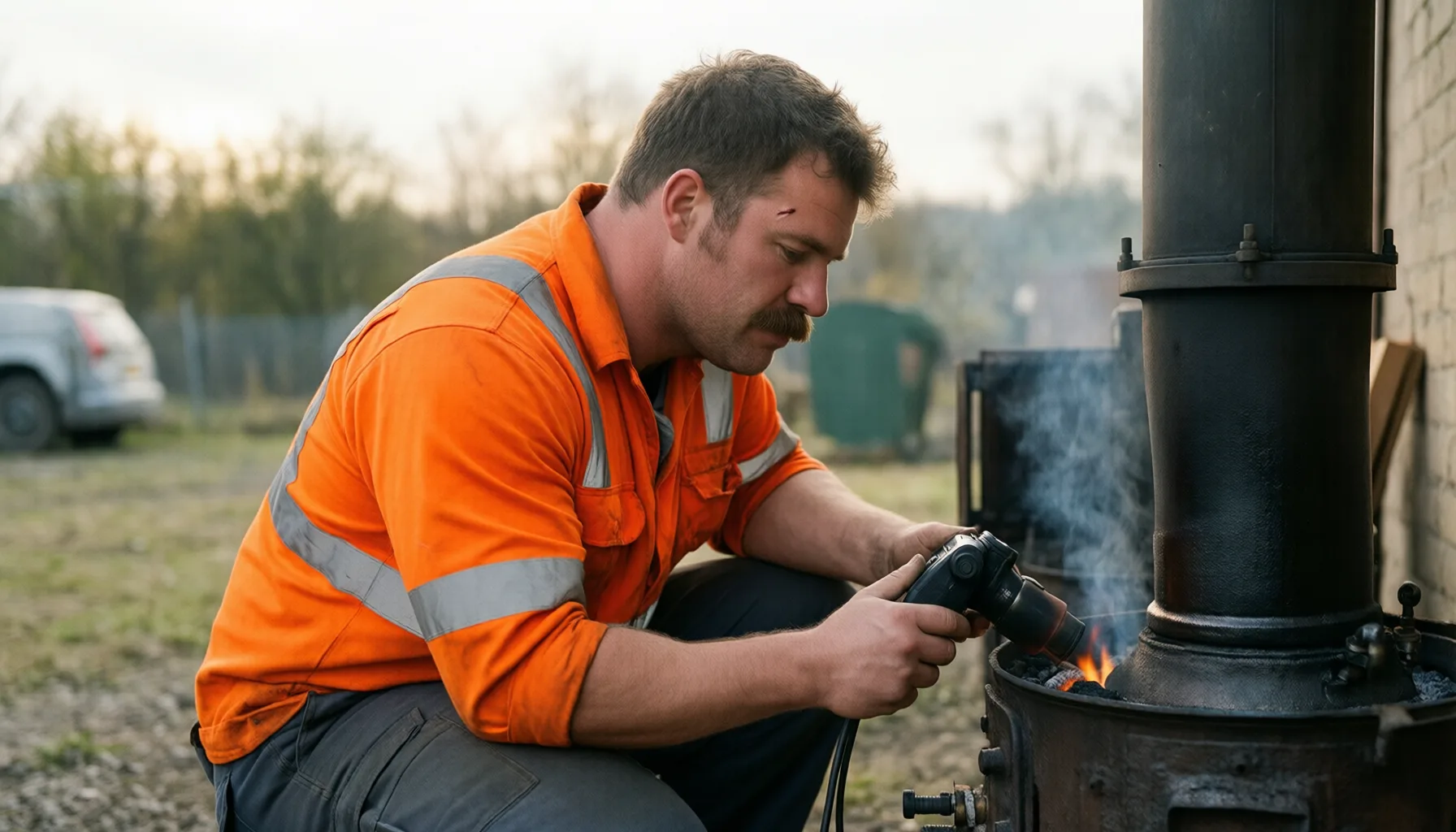
Carbon Monoxide Risks: Why Winter Park Homeowners Need HVAC Inspections
Published: 2026-06-24 · By HVACTech AC Repairs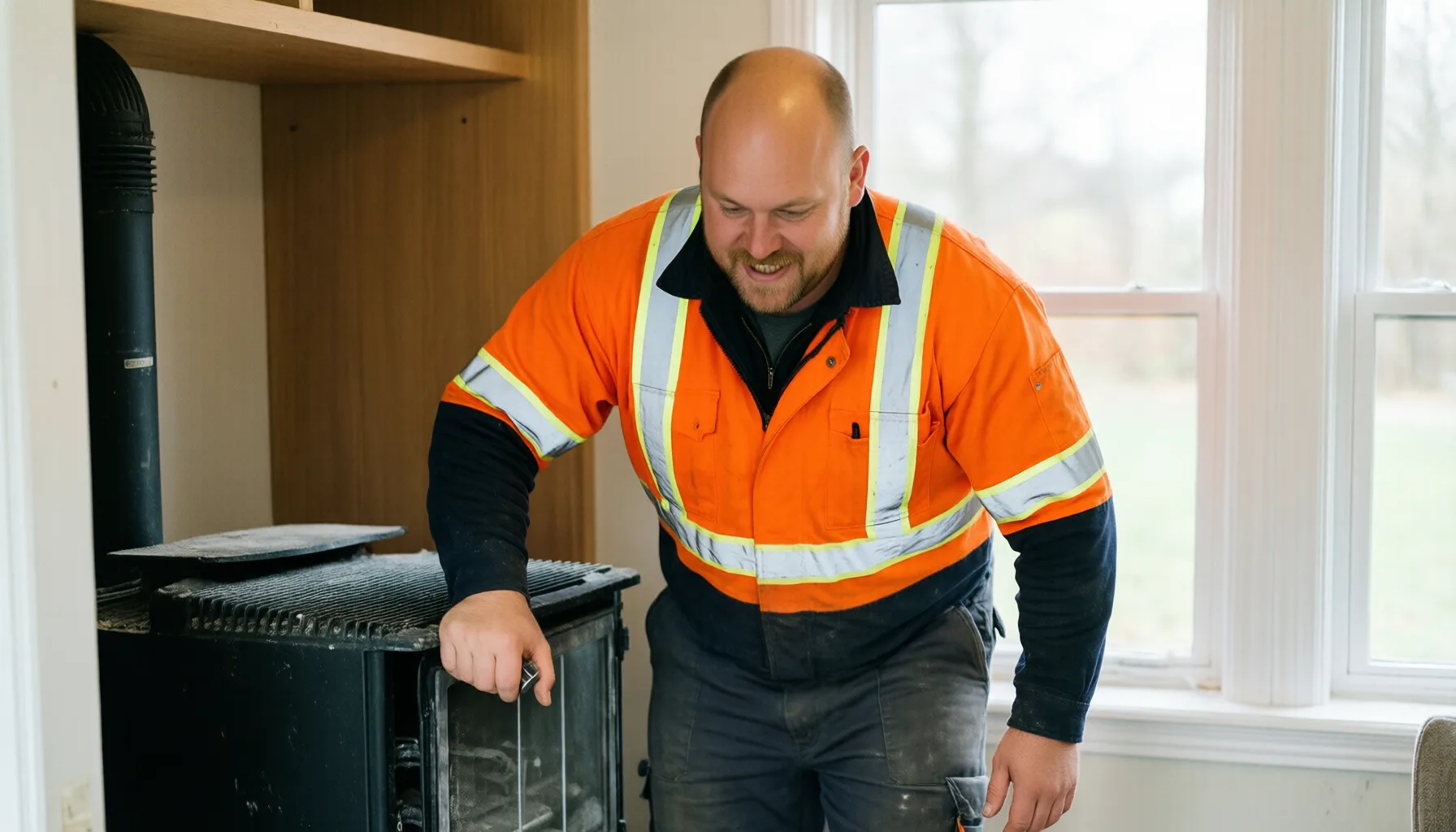
Imagine waking up on a humid Winter Park morning, feeling a strange fatigue, or experiencing unexplained symptoms. While many chalk it up to seasonal allergies, it might be an invisible threat lurking in your home—carbon monoxide. This colorless, odorless gas can seep into your living space from faulty HVAC systems, jeopardizing your family's health. Understanding its risks and ensuring regular HVAC inspections can mean the difference between safety and disaster.
Why This Matters for Winter Park Homeowners
The risk of carbon monoxide poisoning is a critical issue for homeowners in Winter Park, especially given the region's humid climate and tendency for storms. These conditions can create an environment where HVAC systems face greater wear and tear, making regular inspections crucial. If left unchecked, a malfunctioning heater or inadequate ventilation could lead to life-threatening CO buildup.
Many residents are unaware that even well-maintained systems can develop hidden issues. Salt air from the coastal environment can corrode metal components, leading to potential leaks of this dangerous gas. The associated health risks—including headaches, dizziness, and even unconsciousness—demand immediate attention to HVAC devices.
Tip: Ensure your HVAC system undergoes routine inspections at least once a year to catch potential issues before they escalate.
It’s also important to recognize that newer HVAC models are often more energy-efficient but can contribute to inadequate ventilation if not installed correctly. Homeowners need to stay informed about their system’s health to protect their families.
Expert Solutions & Actionable Tips
1. Schedule Biannual HVAC Tune-Ups
In Winter Park, where humidity and corrosion are prevalent, scheduling biannual HVAC tune-ups can prevent costly repairs and health hazards. While costs may range from $100 to $300 per service, these inspections reduce the risk of system failure and ensure clean and safe operations.
During a tune-up, professionals check for signs of carbon monoxide leaks, clean crucial components, and identify parts that may need replacing before they fail.
2. Install a Carbon Monoxide Detector
Installation of carbon monoxide detectors not only safeguards against gas exposure but is often required by local regulations. Here in Winter Park, you can find reliable detectors starting at around $30. Placing them in sleeping areas ensures that, even while you rest, you can be alerted to potential dangers.
Regular testing and changing of batteries is essential, particularly before hurricane season when changes in atmospheric pressure might influence your home’s gas levels.
3. Check Air Quality Systems
With the unique climatic conditions in Winter Park, homeowners should consider checking their air quality systems, including filters and ventilation systems. High humidity can trap pollutants and increase mold risks, contributing to carbon monoxide issues.
Investing in quality filters every 1-3 months can keep your air cleaner and reduce stress on your HVAC system, costing you $30-$60 annually.
4. Understand Local Building Codes
Winter Park has specific building regulations regarding HVAC installation, especially in elevated homes. Being aware of these codes can help ensure that your system operates efficiently and safely.
Consulting a local HVAC professional who understands these regulations can save you from expensive revisions down the line and help maintain compliance.
5. Keep Vents Clear
Cluttered vents can drastically reduce airflow, leading to temperature imbalances and potential CO issues. Homeowners should routinely check and clear vents of obstructions such as furniture or plants, primarily during the wet season when growth is more rampant.
Establishing a monthly schedule to check for and remove obstructions can enhance efficiency and safety.
6. Monitor for Unusual Odors
Being vigilant about strange smells in your home can indicate a malfunctioning HVAC system. A musty odor may suggest the presence of dangerous gases, while strange burning smells can indicate electrical faults.
If anything seems off, contacting professionals quickly can be the difference between minor repairs and major health issues.
Winter Park Climate & Local Context
Winter Park's warm, tropical climate, paired with high humidity and prevalent salt air from the nearby coast, makes proper HVAC maintenance essential for all homeowners. The unique building landscape, filled with elevated homes, necessitates sound designs to resist moisture build-up and corrosion.
Local building codes prioritize ventilation systems to ensure air quality, mandating inspections and maintenance to uphold safety standards. Understanding these regulations aids property owners in making informed decisions regarding HVAC systems.
When to Call a Professional
While routine checks and adjustments can be handled by savvy homeowners, some situations require professional expertise. Recognizing when to call a pro can protect not just your HVAC system but also your household. If you experience any of the following signs, seeking professional assistance is advisable.
- Presence of unusual smells or sounds from your HVAC unit
- Frequent system cycling or failure to turn on
- Rising energy bills without explanation
- Visible rust on components or corrosion signs
- Presence of water leaks or excessive humidity inside the property
- Carbon monoxide alarms triggering
Being proactive in seeking help can prevent future issues and ensure your home's air quality remains high.
Frequently Asked Questions
What are the initial signs of carbon monoxide poisoning?
Initial signs include headaches, dizziness, and nausea, which should prompt immediate inspection of your HVAC system.
How often should I have my HVAC system inspected in Winter Park?
It's recommended to schedule inspections at least twice a year to address any potential issues before they become severe.
Can HVAC maintenance prevent carbon monoxide leaks?
Regular maintenance can catch emerging issues that could lead to leaks, ensuring your system operates efficiently and safely.
What are the costs associated with HVAC inspections?
Costs for HVAC inspections in Winter Park typically range from $100 to $300, depending on the service provider and specifics of the system.
How can I improve my home's air quality?
Regularly changing filters, having your system checked by professionals, and ensuring proper ventilation can significantly improve indoor air quality.
Get Expert HVAC Service in Winter Park
Don’t take chances with your family's safety. Regular HVAC inspections are essential to prevent carbon monoxide buildup and maintain optimal air quality in your home. To schedule your consultation, call (689) 202-2782 today!
Contact HVACTech AC Repairs and ensure your Winter Park home remains a safe haven for you and your loved ones.